
Tilal Al Ghaf doesn’t sit under Emaar, Nakheel, or DAMAC. It’s developed by Majid Al Futtaim, and its approval process works a little differently as a result, most notably in how much discretion the developer retains over what gets approved. For a community this new, that discretion matters more than it would in an established community with a long track record of approved precedents.
Quick Answer
Villa renovation in Tilal Al Ghaf requires written consent from Majid Al Futtaim as master developer, followed by a Dubai Municipality building permit and, where triggered, DEWA and Civil Defence clearances. Unlike Emaar or Nakheel’s guideline-based review, MAF’s consent is explicitly discretionary, exercised in the interest of the wider community and neighbouring owners. Because most villas here were handed over recently, renovation demand is largely post-handover customisation rather than age-driven modernisation.
An Approval Process Built on Developer Discretion
The permission process for a Tilal Al Ghaf renovation runs through two authorities: Majid Al Futtaim as master developer, and Dubai Municipality as the regulatory authority. What sets this apart from Emaar or Nakheel’s process is that MAF’s written consent is explicitly framed as discretionary, granted or withheld based on what the developer judges to be in the best interest of the master community and neighbouring owners, rather than a straightforward check against a fixed, published materials list.
| Step | Authority | Notes |
| Written developer consent | Majid Al Futtaim | Discretionary, based on fit with community and neighbouring owners |
| Building permit | Dubai Municipality | Required for structural work |
| Additional clearances | DEWA, Civil Defence | Triggered by specific scope, such as load increases or fire safety implications |
In practice, this means a design that would likely be approved in an established Emaar community isn’t automatically a safe assumption here. Engaging early with MAF, before finalising a design, rather than after, is a more reliable approach given how much weight the developer’s judgment carries in this process.
Why So Many Owners Renovate Right After Handover
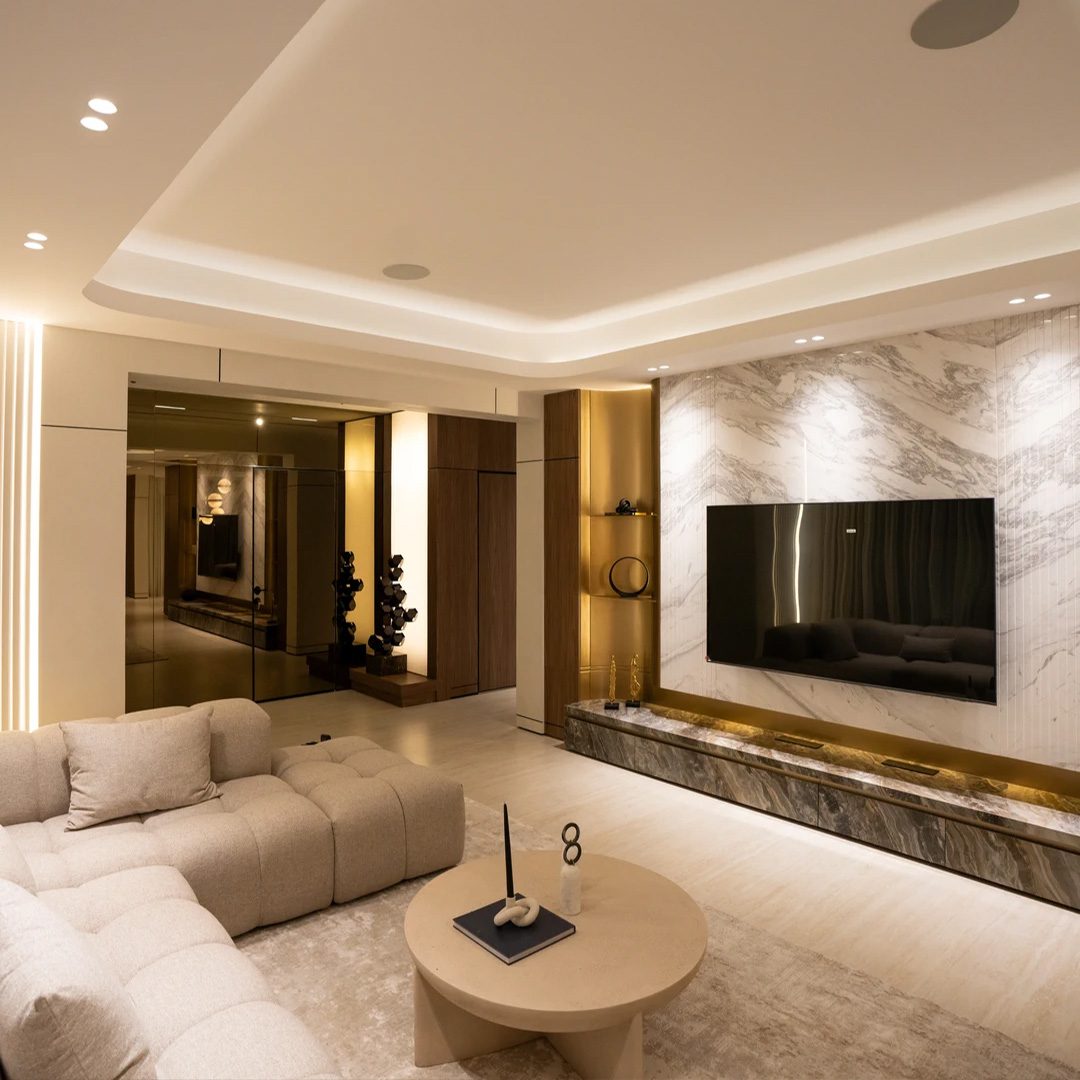
Tilal Al Ghaf is a genuinely new community, built around a 70,000 sq.m crystal lagoon, with phases including Harmony, Elan, Aura, and the more bespoke Elysian mansions still relatively recently delivered. That newness shapes the renovation pattern here in a specific way: owners are commonly renovating within the first year or two after handover, not because anything is wrong with the original build, but to customise a genuinely new home to their own taste before settling in.
This is a different motivation than the age-driven renovation demand seen in communities like The Springs or Arabian Ranches. It’s closer to a post-handover fit-out than a modernisation project, kitchens, wet areas, and outdoor living upgrades are the most requested scopes, layered onto structurally sound, recently built homes.
Designing Around the Lagoon Lifestyle
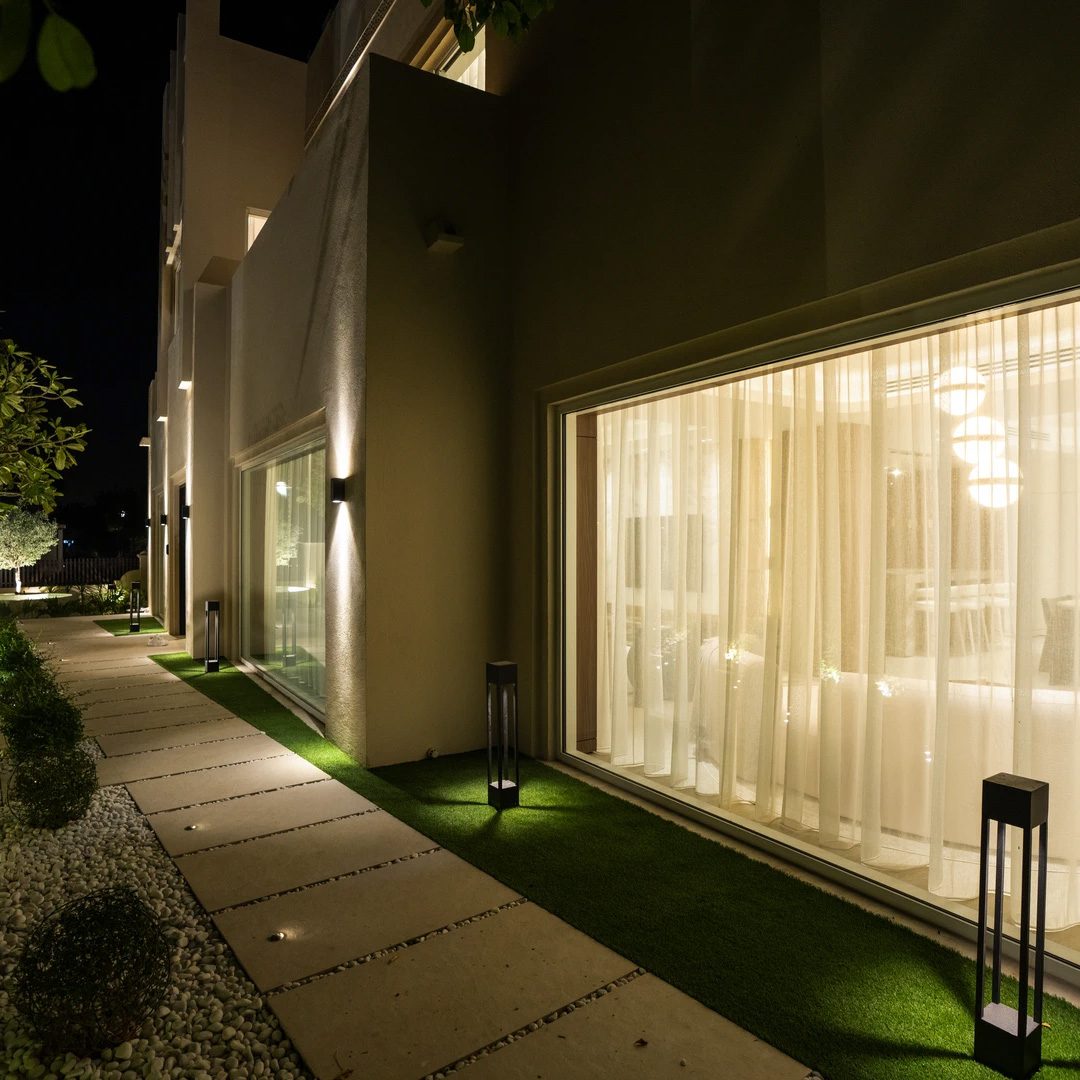
Outdoor living carries particular weight in a Tilal Al Ghaf renovation brief, given how central the lagoon and resort-style amenities are to the community’s identity.
- Pool demand is among the highest of any Dubai villa community, since private pools here function as a natural extension of the community’s resort feel rather than a standalone feature
- Resort-inspired landscaping, generous lawns, specimen palms, and outdoor entertaining features, tends to sit well with the community’s established aesthetic
- Generous boundary setbacks on most plots give more flexibility for outdoor living design than some of Dubai’s older, more tightly built communities
- Materials need to handle lagoon humidity alongside Dubai’s summer heat, which affects waterproofing membrane selection, AC sizing, and outdoor material choices more than a typical inland villa
Typical Costs
| Renovation scope | Typical range |
| Post-handover kitchen and wet area upgrade | AED 100,000 to 250,000 |
| Full villa renovation | AED 350,000 to 1,200,000 |
| Villa extension (single room) | AED 120,000 to 280,000 |
| Villa extension (full ground floor) | AED 280,000 to 600,000 |
Timelines vary widely depending on scope, from roughly six weeks for a targeted upgrade to several months for a full renovation or extension involving the dual-authority approval sequence.
Frequently Asked Questions
Does Majid Al Futtaim approve renovations the same way Emaar does?
Not quite. MAF’s consent for Tilal Al Ghaf renovations is explicitly discretionary, based on what the developer judges to be in the interest of the community and neighbouring owners, rather than a straightforward check against a fixed published materials list. Engaging with MAF early in the design process is worth doing given this.
Why are so many Tilal Al Ghaf villas renovated so soon after handover?
Because the community is genuinely new, many owners are customising a recently delivered home to their own taste rather than fixing anything dated, which is a different motivation than the age-driven renovation demand seen in older Dubai communities.
Is a pool a common addition in Tilal Al Ghaf renovations?
Yes, pool demand here is among the highest of any Dubai villa community, reflecting how central the community’s 70,000 sq.m crystal lagoon and resort-style identity are to its appeal.
Planning a renovation for a Tilal Al Ghaf villa? Talk to Leif about customising your recently handed-over home while navigating Majid Al Futtaim’s approval process.