
Al Barari isn’t governed by Emaar or Nakheel, and it isn’t a typical low-rise villa community either. Roughly 60% of its land is protected greenery, spread across six themed botanical gardens that the developer still actively controls the look of, which means a renovation here answers to landscape preservation as much as it answers to building code.
Quick Answer
Villa renovation in Al Barari requires an Al Barari Community NOC followed by a DDA (Dubai Development Authority) building permit, with landscaping works needing separate Dubai Municipality Environment clearance. Because the community’s identity is built around its protected botanical gardens, plot coverage limits and garden boundary rules are enforced more strictly here than in most Dubai villa communities.
A Community Governed by Its Landscape, Not Just Its Developer
Al Barari’s approval structure sits outside the Emaar and Nakheel systems that cover most of Dubai’s established villa communities. Renovations go through the Al Barari Community NOC, followed by a DDA building permit for structural or external work, with landscaping changes requiring a separate DM Environment clearance given how much of the community’s land is protected.
| What you need | Who issues it |
| Community NOC | Al Barari Community |
| Building permit | DDA (Dubai Development Authority) |
| Landscaping clearance | Dubai Municipality Environment department |
Unauthorised structural changes here carry real financial exposure, with fines that can exceed AED 50,000 on top of forfeiting the project’s security deposit, reflecting how seriously the community enforces its guidelines.
Why Plot Coverage Rules Are Stricter Here
Al Barari deliberately keeps construction density low to preserve its landscape, which means plot coverage limits, garden boundary rules, and restrictions on building over irrigation or drainage lines are treated with a level of scrutiny that communities like Arabian Ranches or The Springs simply don’t apply. Extensions, gazebos, and even pergolas need to leave the surrounding open space genuinely intact, not just technically compliant.
This has a practical consequence for how a renovation should be planned. Getting a clear read on what’s approvable, before committing to a design or a price, matters more in Al Barari than almost anywhere else in Dubai, since a design finalised without that check can require significant rework once it meets community review.
Designing for a Garden-First Community
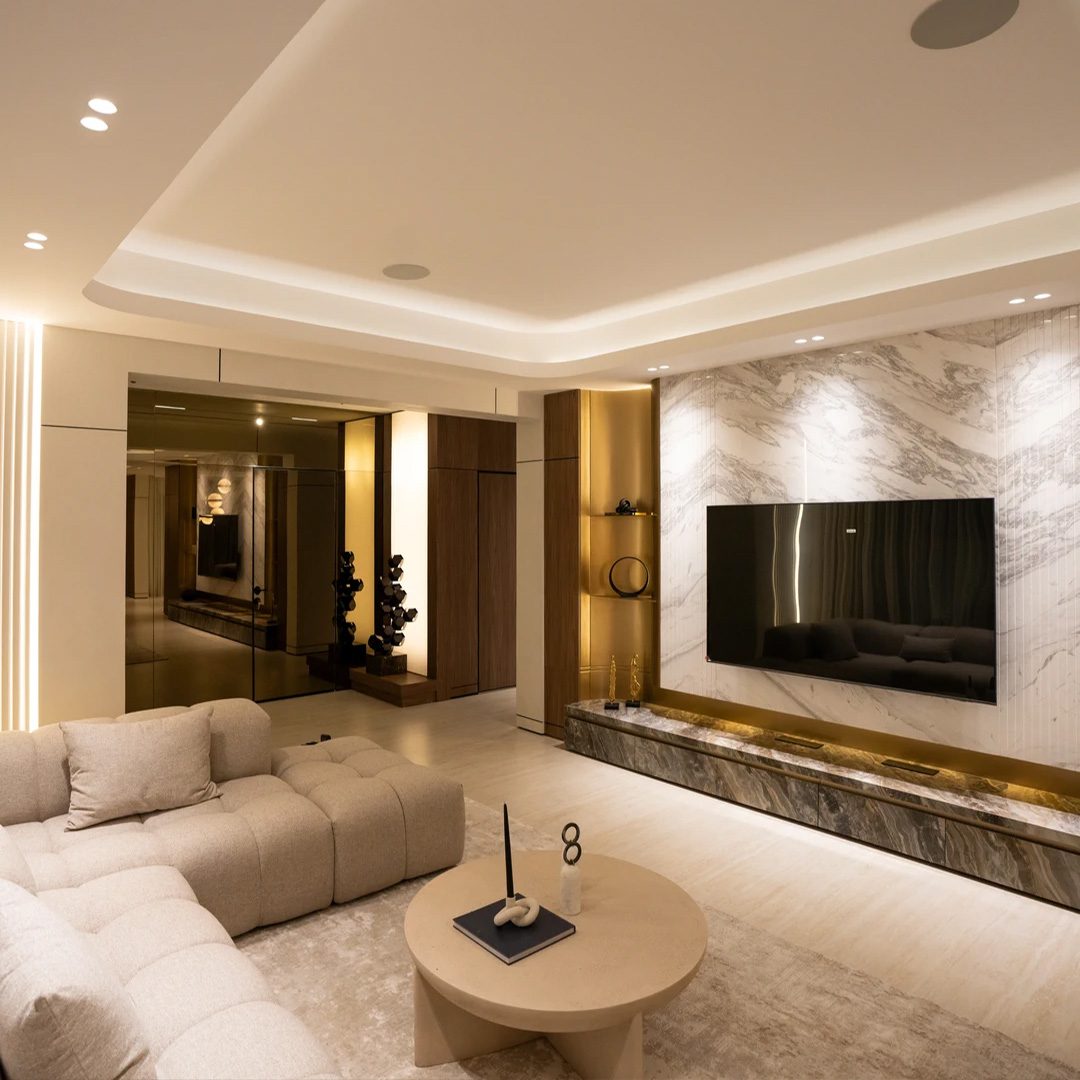
Al Barari’s identity is built around wellness and its landscaping, which shapes the kind of design requests that make sense here. Interior renovation briefs frequently call for natural materials, generous daylight, and biophilic design elements, along with dedicated wellness spaces like a home yoga studio or meditation room, requests that would be unusual in a more conventional villa community but are a natural fit here.
A few practical points worth planning around:
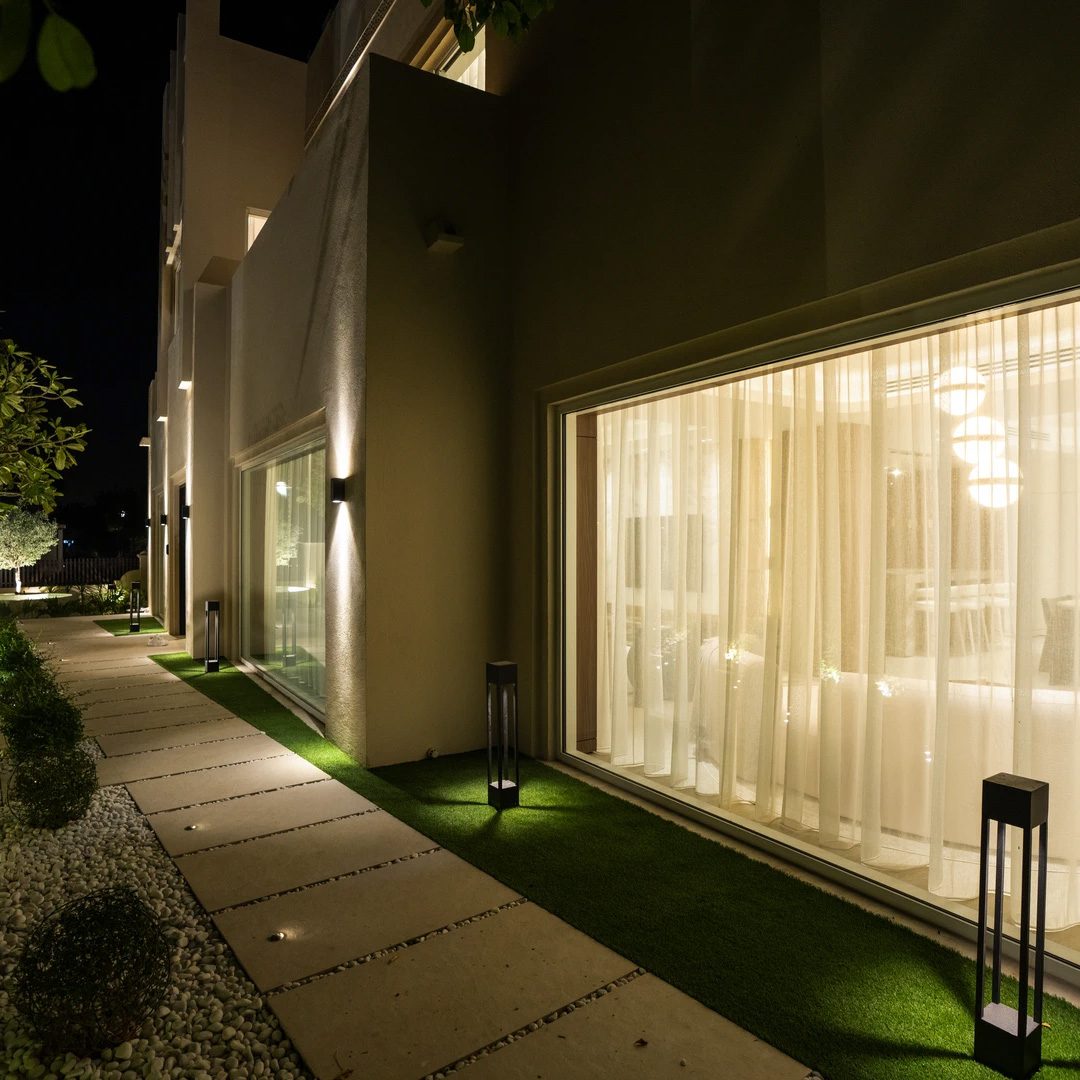
• Interiors should be designed in dialogue with the garden outside, using layouts and glazing that frame the landscape rather than treating it as incidental scenery
• Construction logistics need to protect mature planting and irrigation infrastructure, since site access, material storage, and waste management all sit close to shared garden systems that the whole community depends on
• Garden theme continuity matters at the review stage. A renovation that looks striking in isolation but doesn’t read as belonging to its surrounding themed garden tends to face more pushback, and can sit visibly out of place long after approval
• Outdoor living and interior renovation should be planned as one project, not two separate ones, since Al Barari’s pools, water features, and planting are typically as central to the brief as the interior itself
Typical Costs and Timeline
Al Barari renovations run at the higher end of Dubai’s villa renovation spectrum, reflecting both the material specification typical of the community and the added design and approval complexity.
| Renovation scope | Typical range |
| Premium interior renovation | AED 700–1,400 per sq.ft |
| Fully bespoke, custom-furnished programme | AED 1,500–2,500 per sq.ft |
| Full villa renovation (typical budget) | AED 700,000–2,000,000+ |
| Community and authority NOC fees | AED 5,000–15,000 |
Timelines here typically run longer than an equivalent project in a less design-governed community, given the extra layer of community NOC and DDA permit review on top of the DM Environment clearance for landscaping. Planning for that additional time upfront, rather than being surprised by it partway through, is realistic budgeting for this specific community.
Frequently Asked Questions
Is Al Barari governed by Emaar or Nakheel? No. Al Barari has its own community NOC process, followed by a DDA building permit rather than Emaar’s Home Modification process or Nakheel’s Trakhees route, with landscaping changes needing separate Dubai Municipality Environment clearance.
Why are renovation rules stricter in Al Barari than other villa communities? Roughly 60% of Al Barari’s land is protected greenery across six themed botanical gardens, and the community actively controls that landscape’s appearance. Plot coverage limits and garden boundary rules are enforced more strictly here to preserve that identity.
What happens if I renovate without the right approvals in Al Barari? Unauthorised structural changes can result in fines exceeding AED 50,000 and forfeiture of the project’s security deposit, reflecting how seriously the community enforces its guidelines around its protected landscape.
How much does a villa renovation cost in Al Barari? Premium interior renovations typically run AED 700 to AED 1,400 per square foot, rising to AED 1,500 to AED 2,500 per square foot for fully bespoke, custom-furnished projects in the community’s largest villas.
Planning a renovation that works with, not against, Al Barari’s landscape? Talk to Leif about designing a project that fits the community’s approval requirements from day one.