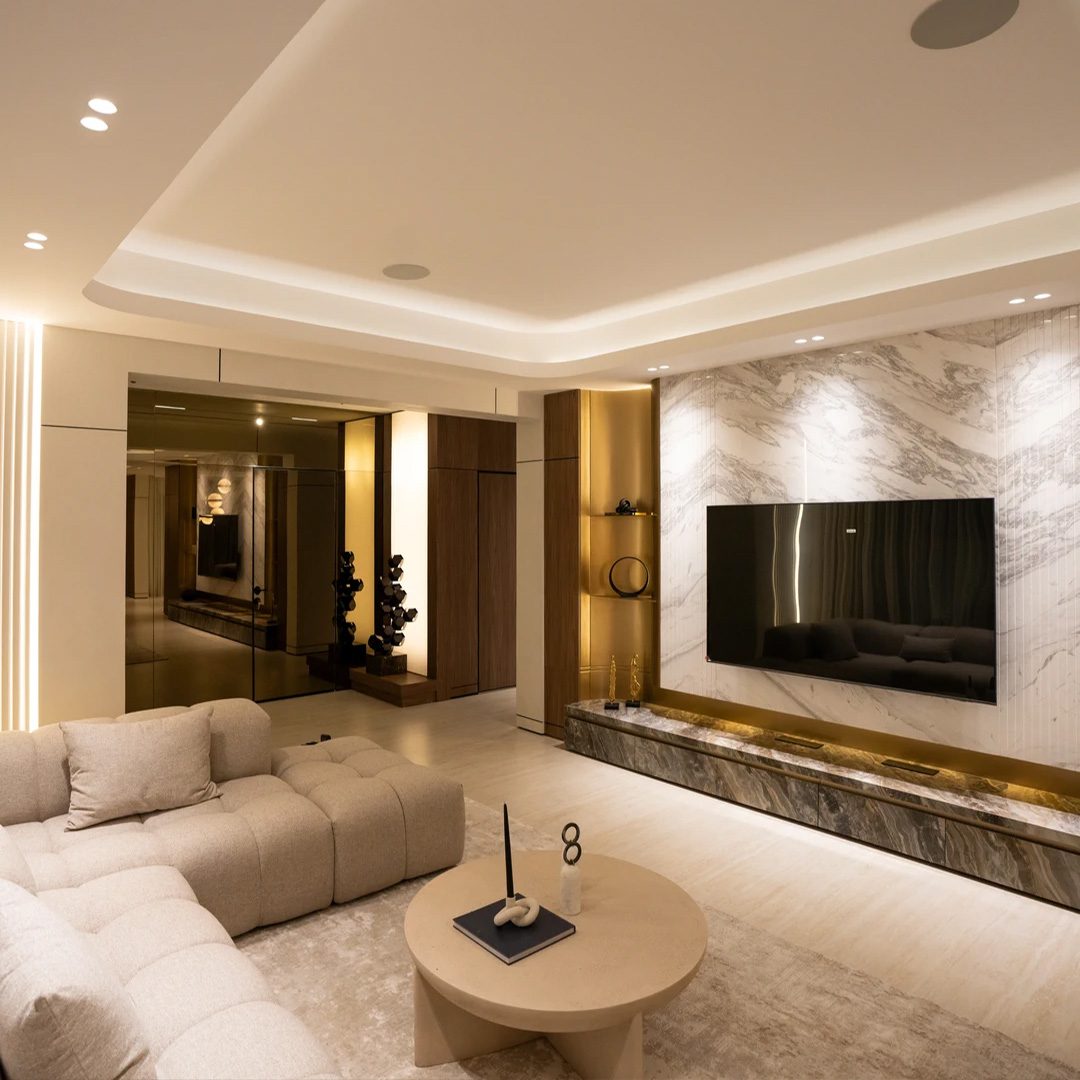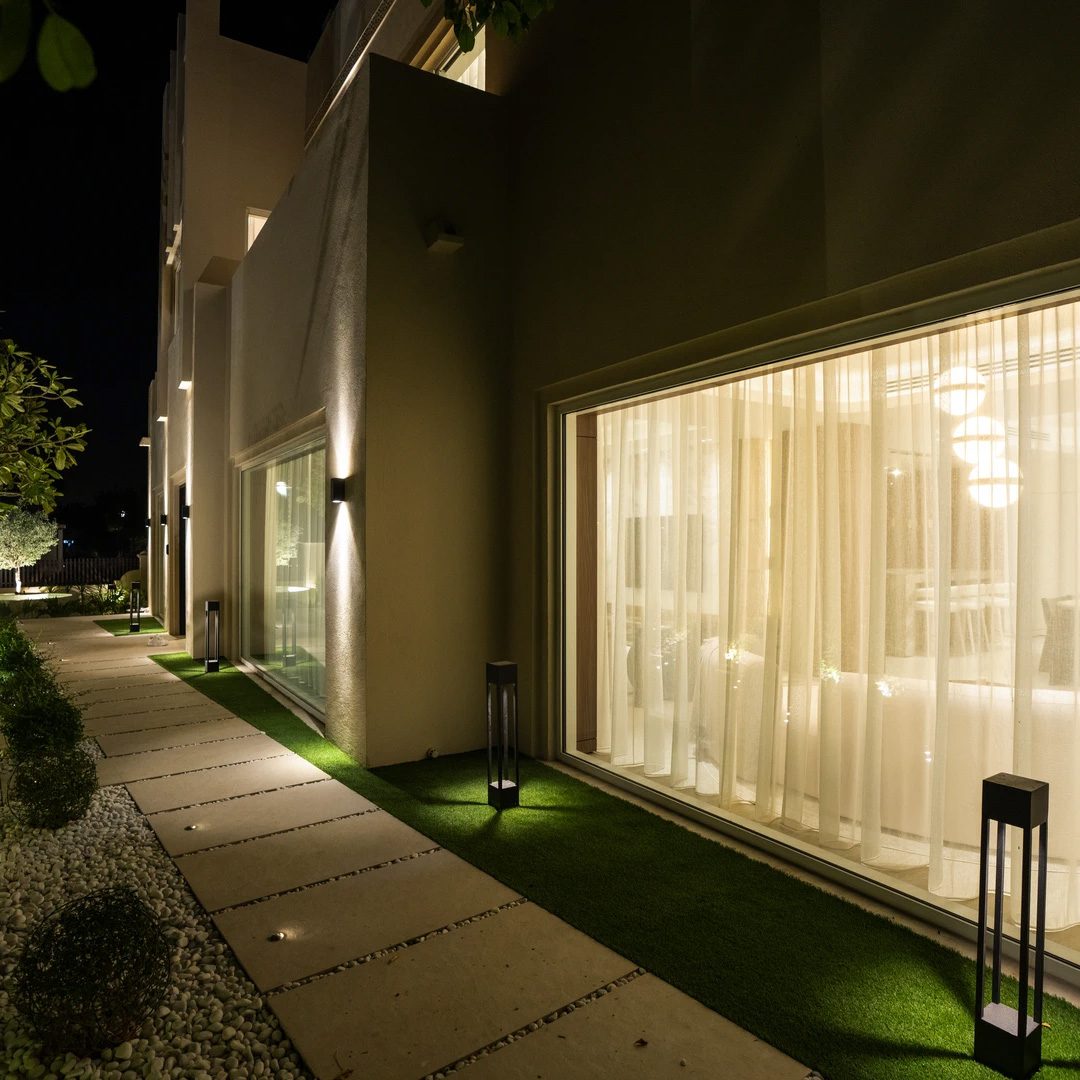

Arabian Ranches gets talked about as one community, but it isn’t. It’s three phases built roughly a decade apart, each with its own architectural language, and the renovation conversation looks different depending on which one your villa sits in. That distinction matters more than most generic guides let on, especially if you’re trying to design something that fits rather than fights the neighbourhood around it.
This guide covers what a villa renovation Arabian Ranches project actually involves in 2026, why AR1 in particular is seeing so much renovation activity right now, and how to design within the community’s established architectural character.
Quick Answer
Villa renovation in Arabian Ranches requires a Home Modification NOC from Emaar Community Management, with Design Review Committee approval for structural or external changes. Arabian Ranches spans three distinct development phases with different architectural styles, and renovation demand is currently concentrated in the original AR1 villas, most of which are now 15 to 22 years old.
Arabian Ranches Isn’t One Community, It’s Three
Emaar built Arabian Ranches in phases starting in the early 2000s, and each phase has a distinct identity rather than a repeated formula.
| Phase | Character | Renovation profile |
| Arabian Ranches (AR1) | The original phase, traditional Arabian-influenced architecture with mashrabiya-style detailing, mature landscaping | Largest share of current renovation demand, villas are 15 to 22 years old |
| Arabian Ranches 2 | Built later, a broader mix of architectural sub-styles across its sub-communities | Mostly cosmetic and layout updates rather than full structural overhauls |
| Arabian Ranches 3 | Newest phase, contemporary design language, several distinct sub-community styles including more modern lines | Interior customisation and post-handover fit-out, structural extensions less common so far |
Design guidelines are set at the sub-community level within each phase, not uniformly across all of Arabian Ranches. That means a facade treatment approved in one AR1 sub-community isn’t automatically transferable to a villa in AR3, even though both fall under the same Arabian Ranches name.
Why AR1 Villas Are Being Renovated Right Now
The original Arabian Ranches villas were delivered in the early-to-mid 2000s, which puts most of them well past the two-decade mark. That age shows up in specific, predictable ways: original developer-standard kitchens that were fashionable at handover and now feel dated, closed-off ground-floor layouts from an era before open-plan living became the default expectation, and finishes that simply weren’t built to Dubai’s current luxury standard.
This is a genuinely different renovation driver than a newer community like Dubai Hills Estate, where renovations are mostly about layout and design preference rather than the age of the underlying home. In AR1, a renovation is frequently doing double duty, modernising the aesthetic and addressing systems and finishes that are simply reaching the end of their practical lifespan.
The Emaar Approval Process for Arabian Ranches
The process follows Emaar’s standard Home Modification framework, submitted through the Emaar Community Portal, but it’s worth understanding exactly what triggers a full review versus a lighter-touch submission.
Work that requires the full Design Review Committee (DRC) process typically includes:
- Structural changes, including internal wall removal or relocation
- Any change to facades, elevations, or boundary walls
- Pergolas, shade structures, or other external additions
- Pool construction or outdoor kitchen installations
- Enclosing balconies, patios, or garages
Interior work that doesn’t touch structure or exterior appearance generally moves through a lighter, faster review. A few practical points specific to Arabian Ranches worth flagging:
- Even seemingly minor changes, like enclosing a balcony or altering garden-facing tiles, can trigger a full submission if they affect the facade or plot setbacks, so it’s worth confirming scope with Emaar early rather than assuming something is exempt
- GFA fees apply to any increase in built-up area, in line with the same AED 700 to AED 1,000 per square foot range charged across Emaar’s villa communities
- Community rules explicitly require that renovations maintain the character of the community and not impact shared walls or services, which matters particularly in AR1 where several villa types share structural walls
Design Ideas That Work Within the Architectural Language
Arabian Ranches’ original design identity leans into traditional Arabian architectural cues, so successful renovations tend to work with that language rather than against it, even while fully modernising the interior.
A few directions that consistently work well here:
- Mashrabiya-inspired screening reinterpreted in a contemporary way, as external shading, garden screening, or even interior room dividers, keeping the community’s visual signature without it reading as dated
- Opening up the ground floor while preserving the exterior’s original character, since interior layout changes generally face a lighter review than exterior ones, this is where the biggest livability gains are available without the same design constraints
- Warm, earth-toned material palettes that read as an evolution of the community’s original aesthetic rather than a clean break from it, particularly for any exterior-visible finishes
- Landscaping calibrated to the community’s mature tree cover and soil conditions, since generic landscaping schemes tend to look visibly out of place against Arabian Ranches’ established greenery
What a Renovation Typically Costs in Arabian Ranches
Costs here follow the same broad pattern as other established Emaar communities, though AR1’s age means full renovations, rather than partial updates, are more common than in newer communities.
| Renovation scope | Typical range |
| Kitchen and bathroom refresh only | AED 80,000 to 180,000 |
| Mid-range full interior renovation | AED 350,000 to 600,000 |
| Full luxury renovation with layout changes | AED 600,000 to 1,000,000+ |
| Extension (ground-floor room addition) | AED 100,000 to 350,000, plus applicable GFA fee |
The wider spread at the top end reflects how much AR1 renovation scopes vary. Some homeowners are addressing a single dated kitchen, while others are undertaking a full structural reimagining of a 20-year-old floor plan, and the two projects have very different budgets even within the same villa type.
Why One Team for Design and Approvals Matters Here
Arabian Ranches’ sub-community-level design rules mean the same renovation brief can face different constraints depending on exactly where the villa sits, which is easy to get wrong if design and approvals are handled separately. A design that looks approved in principle can still stall at DRC review if it wasn’t checked against that specific sub-community’s guidelines from the outset.
This is where a coordinated design-and-build approach earns its keep. The same team drawing the renovation should be the one preparing the DRC submission, so the design already reflects what’s realistically approvable for that sub-community rather than needing rework after a rejection. For AR1 projects in particular, where full structural renovations are common, that coordination also extends into construction sequencing, since shared walls and services between neighbouring villas need to be managed carefully throughout the build, not just accounted for on paper at the approval stage.
Frequently Asked Questions
Is Arabian Ranches one community with one set of renovation rules? (H3)
No. Arabian Ranches spans three development phases (AR1, AR2, AR3), each with distinct architectural character, and design guidelines are set at the sub-community level rather than uniformly across the whole area. Confirming your specific sub-community’s rules is a necessary first step, not a formality.
Why are so many Arabian Ranches villas being renovated in 2026? (H3)
Most original AR1 villas are now 15 to 22 years old, which means original kitchens, bathrooms, and closed-off layouts are reaching a point where they no longer meet current expectations, driving renovation demand that’s more about age and functionality than pure design preference.
Do I need Emaar approval to renovate the interior of my Arabian Ranches villa? (H3)
If the work doesn’t touch structure or exterior appearance, it typically qualifies for a lighter interior review. Anything involving wall removal, MEP relocation, or exterior-visible changes needs the full Design Review Committee process.
How much does a full villa renovation cost in Arabian Ranches? (H3)
A full luxury renovation involving layout changes typically runs AED 600,000 to over AED 1,000,000, while a more limited kitchen and bathroom refresh can be done for AED 80,000 to AED 180,000, depending on scope and finish level.
Planning a renovation for an Arabian Ranches villa? Talk to Leif about your project and sub-community, or see our complete villa renovation cost guide for a broader breakdown by renovation type.