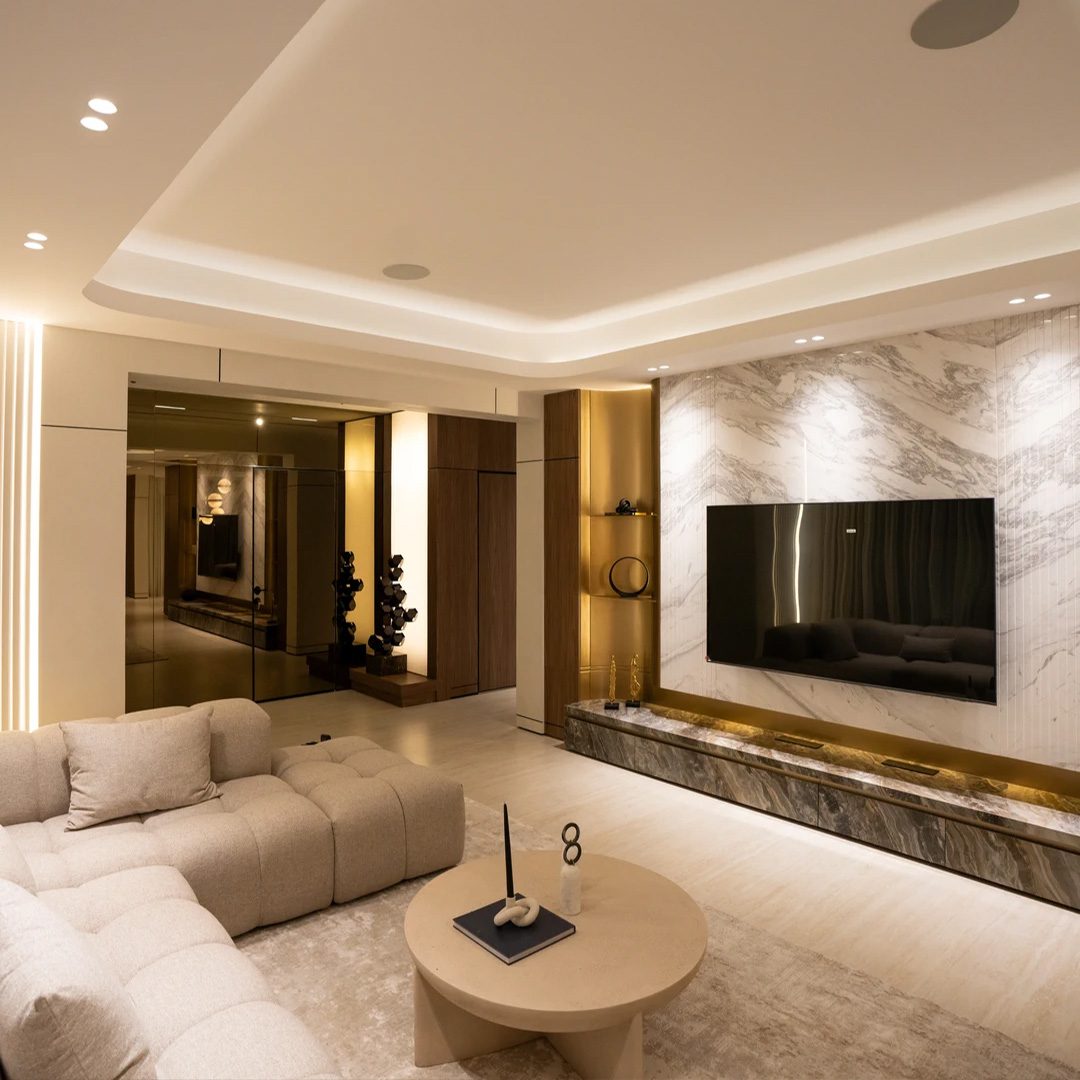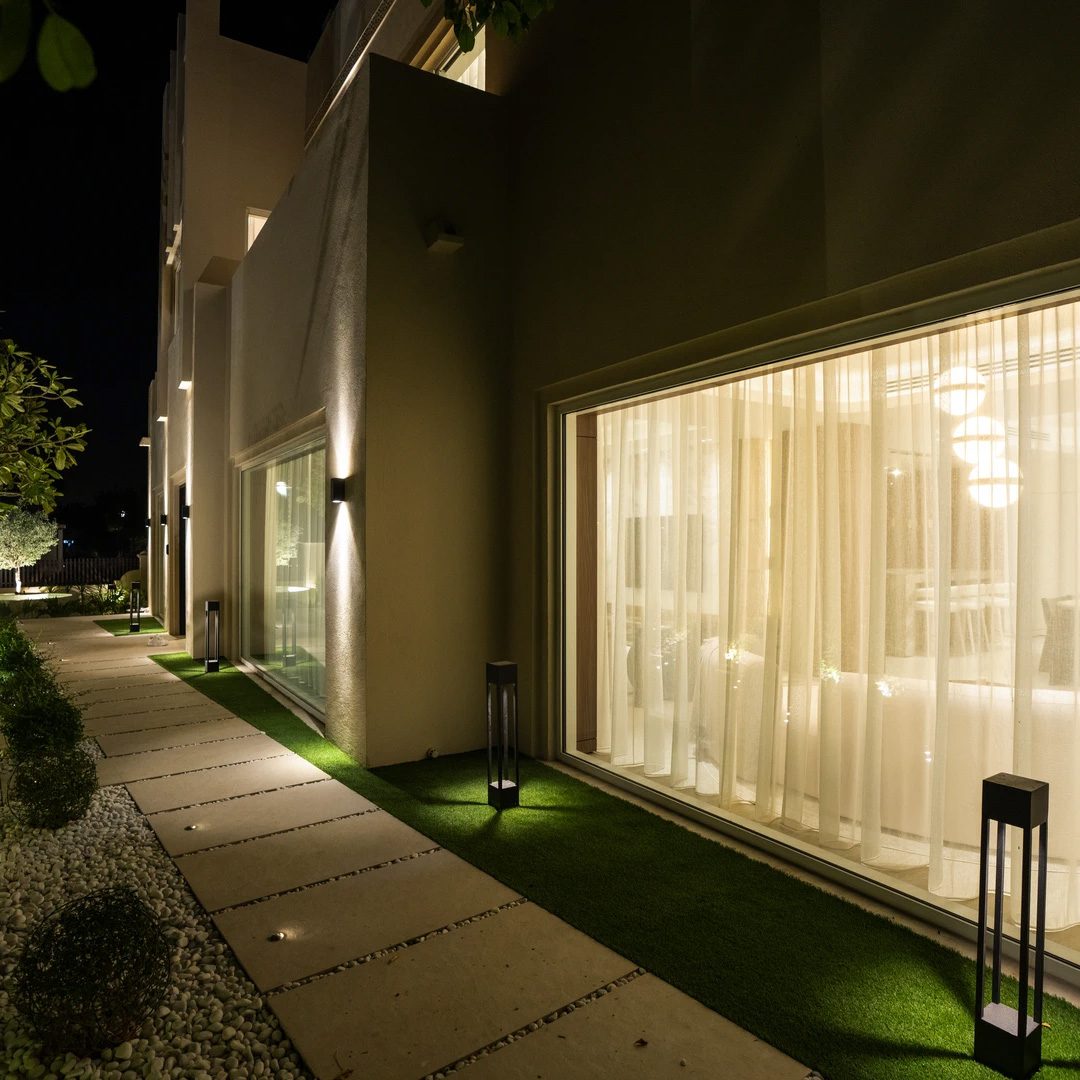

“Will this renovation actually pay for itself” is the question underneath almost every renovation conversation, even when nobody says it out loud. The honest answer, based on what 2026 market data actually shows, is more specific than a flat yes or no.
Quick Answer
Industry reporting on Dubai’s 2026 secondary market shows well-renovated villas in established communities selling at a 12 to 18 percent premium over comparable unrenovated stock, with renovation quality now cited as a genuine resale differentiator rather than a purely cosmetic preference. This isn’t a guarantee for any individual property, since execution quality and community desirability both affect the outcome more than the fact of renovating alone.
What the Market Data Actually Shows
Dubai’s villa market has been on a strong run. Citywide weighted-average residential values reached roughly AED 1,689 per square foot by the end of 2025, up close to 20 percent year on year, with villas outperforming apartments in that growth. Against that backdrop, industry data specifically tracking renovated versus unrenovated stock in mature communities points to a consistent pattern: well-executed renovations are commanding a 12 to 18 percent premium at resale compared to similar unrenovated homes in the same community and size bracket.
That figure is a market range, not a formula. A villa that’s been renovated to a genuinely high standard, with layout changes that suit how people actually live now rather than how the community was originally laid out in the 2000s, tends to sit at the upper end of that range. A villa with a purely cosmetic refresh, new paint and flooring without addressing layout or dated systems, tends to sit closer to the lower end, or sometimes not much above an unrenovated comparable at all.
Which Renovations Actually Move the Value Needle
Not every dirham spent on a renovation returns the same value at resale. Based on what’s consistently driving premium pricing in 2026 villa transactions, a few categories stand out clearly above the rest.
| Renovation type | Impact on resale positioning |
| Open-plan ground floor conversion | Strong, one of the most consistently requested features by current villa buyers |
| Kitchen renovation to current standard | Strong, kitchens are the most scrutinised room by buyers and renters alike |
| Master suite and ensuite upgrade | Strong, resort-style bathrooms are a repeated theme in 2026 buyer expectations |
| Structural layout changes matching modern living patterns | Strong, especially reorienting rooms toward views or natural light |
| Smart home and MEP upgrades | Moderate, valued more by end-users than pure resale calculations |
| Cosmetic-only refresh (paint, flooring, no layout change) | Modest, helps a listing photograph well but rarely closes the full value gap on its own |
The pattern across this data is fairly consistent: renovations that change how a home actually functions, not just how it looks, are the ones showing up most clearly in resale premiums. This tracks with something worth remembering. A buyer walking through a renovated villa isn’t just evaluating finishes, they’re evaluating whether the layout still makes sense for how they’d actually live in it.
Renovation Quality vs Renovation Presence
Here’s the nuance that a flat “renovation adds value” headline misses. The premium isn’t attached to the word “renovated” on a listing, it’s attached to execution quality. A structurally sound renovation with correctly approved permits, coherent design, and materials suited to Dubai’s climate reads very differently to a buyer, or to their surveyor, than a rushed renovation with unpermitted structural changes.
Unapproved structural work carries a specific risk worth flagging here. Beyond the immediate compliance issue, unauthorised modifications can complicate a future sale or mortgage valuation, since lenders and RERA-registered valuers typically check that structural changes match approved drawings. A renovation that skipped the NOC and permit process to save time can end up costing more at resale than it saved during construction, which is the opposite of the outcome most homeowners are aiming for.
Community by Community: Where the Premium Shows Up Strongest
The 12 to 18 percent range holds most consistently in established, mature villa communities where buyers are actively comparing renovated and unrenovated stock side by side.
- Palm Jumeirah has seen some of the most visible renovation-driven repositioning, given the age of the original Nakheel-era builds and the scale of transformation a full renovation can bring to a waterfront villa’s layout and finishes.
- Dubai Hills Estate, Arabian Ranches, The Springs, and The Meadows show a consistent pattern of well-renovated units achieving stronger secondary market pricing than comparable unrenovated homes, reflecting both the age of original stock and strong ongoing buyer demand in these communities.
- Newer communities with predominantly post-2018 stock show a smaller renovation premium simply because there’s less of a gap between original and renovated condition to begin with, structurally sound recent builds don’t need the same scale of intervention.
What This Means Depending on Why You’re Renovating
If you’re renovating to sell in the near term, the data supports prioritising the categories that show the strongest pattern: layout, kitchen, and primary suite, over purely decorative upgrades, and treating the approval process as part of the investment, not an obstacle to work around.
If you’re renovating to live in the home long-term, the resale premium is a welcome side effect rather than the driving reason, and the better guide is simply whether the renovation makes the home genuinely work better for how your household actually lives. In practice, those two goals overlap more than they conflict. The renovations that current buyers respond to at resale are, largely, the same ones that make daily life in the home better.
This is market context to inform your own decision-making, not financial advice specific to your property. A property’s actual resale outcome depends on factors particular to that home, its community, and market conditions at the time of sale, so it’s worth speaking with a local valuer or agent for guidance specific to your situation.
A Few Signals Worth Watching Before You Commit
If resale is part of your thinking, even as a secondary consideration, a few practical checks are worth doing before finalising scope:
- Look at what’s actually selling nearby, not just at asking prices. Recently closed transactions for renovated versus unrenovated villas in your specific sub-community tell you far more than a citywide average.
- Talk to a local agent about buyer expectations in your community specifically, since the features driving premiums in Dubai Hills Estate aren’t necessarily the same ones buyers are prioritising in an older, more established community like Arabian Ranches or The Springs.
- Weigh renovation scope against how long you plan to hold the property. A full structural renovation makes more sense if you’re not selling for several years and want to enjoy the home yourself first; a lighter, well-targeted refresh can make more sense if resale is imminent.
- Keep every approval document. Beyond the compliance requirement itself, a complete paper trail of NOCs and permits is something a buyer’s due diligence process, or a mortgage valuation, will specifically look for.
Frequently Asked Questions
Do renovated villas really sell for more in Dubai?
Industry data on Dubai’s 2026 secondary market shows well-renovated villas in established communities achieving a 12 to 18 percent premium over comparable unrenovated stock, though the actual premium for any individual property depends on renovation quality and community demand.
Are renovated Palm Jumeirah villas outperforming original Nakheel-era homes?
Yes, market reporting shows renovated Palm Jumeirah villas generally commanding a meaningful premium over unrenovated original-condition homes, driven by both the age of the original stock and the scale of transformation a full renovation typically brings to layout and finishes on these waterfront properties.
Which renovation adds the most resale value to a Dubai villa?
Open-plan layout conversions, kitchen renovations, and primary suite upgrades consistently show the strongest impact on resale positioning, more so than purely cosmetic changes like paint and flooring without layout changes.
Does an unapproved renovation hurt resale value?
Yes. Structural changes without proper developer NOC and building permit approval can complicate a future sale or mortgage valuation, since surveyors and lenders typically check structural changes against approved drawings. Unauthorised work can end up costing more to resolve at resale than it saved during construction.
Considering a renovation with resale value in mind? Talk to Leif about a scope that suits both how you’ll live in the home and how it will present to a future buyer, or see our complete villa renovation cost guide for budgeting by renovation type.